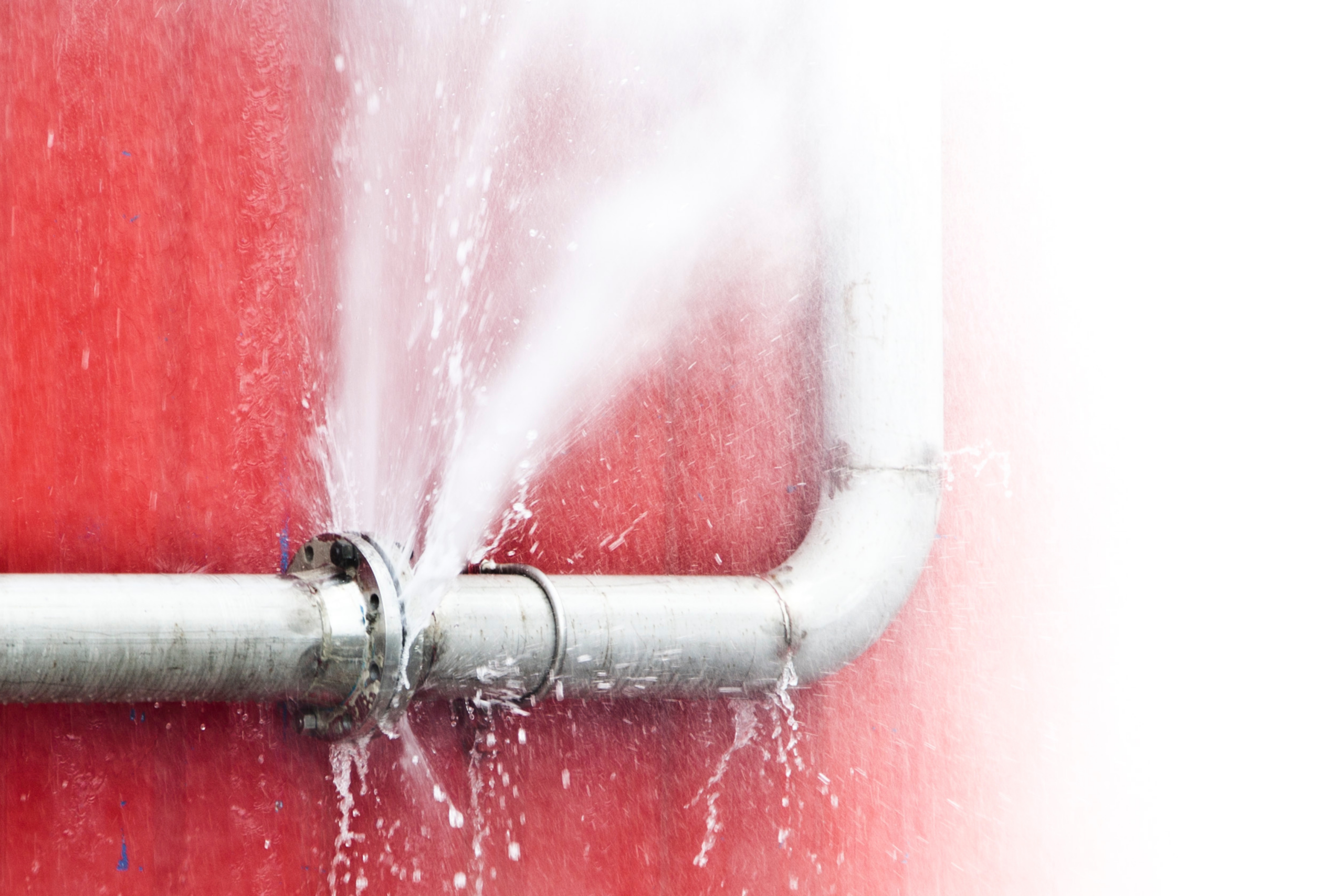
Your HVAC system is essential for keeping your home comfortable year-round, but it can also be a hidden source of mold growth. When moisture accumulates inside ducts, vents, or around the HVAC unit, mold spores can flourish and circulate throughout your home. Understanding how mold spreads through heating and cooling systems (and how to prevent it) is critical to protecting your family’s health and maintaining indoor air quality.
We’ll explore the risks of mold in HVAC systems, how it spreads, and professional steps for mold remediation.
How Mold Gets Into HVAC Systems
Mold spores are naturally present in the environment, and they only need moisture and a food source to grow. HVAC systems can inadvertently provide both. Common ways mold enters your system include:
- Condensation in ducts or on cooling coils
- Leaking or clogged AC drip pans
- Excess humidity from poor ventilation
- Dust accumulation providing organic material for spores
- Water intrusion from roof leaks near the HVAC unit
Once spores establish themselves, the airflow from your HVAC system can quickly spread them throughout your home, causing both visible mold growth and poor indoor air quality.
Spotting Hidden Mold in Your HVAC System
Mold is often hidden deep inside ducts or around HVAC components. Signs that mold may be present include:
- Musty or earthy odors when heating or cooling
- Increased allergy symptoms indoors, such as coughing or congestion
- Visible mold growth around vents, registers, or the AC unit
- Staining or discoloration near ductwork or vents
If any of these signs appear, it may be time for professional mold remediation to prevent further spread.
Different types of mold can thrive in HVAC systems and ductwork; learn more about them in our Mold Library.
Preventing Mold in Your HVAC System
Once your system is cleaned, maintaining a healthy HVAC system helps prevent mold from returning:
- Schedule regular HVAC maintenance to inspect and clean coils and drip pans
- Replace air filters every 1–3 months, or whatever your HVAC technician recommends
- Monitor humidity levels (ideally between 30–50%)
- Seal duct leaks to prevent moisture intrusion
- Ensure proper ventilation in attics and crawlspaces
Regular professional inspections every 1–2 years can catch small issues before they become major mold problems.
Keep Your HVAC System Mold-Free Year-Round
Mold in HVAC systems is a hidden threat that can affect your home’s air quality, comfort, and health. Early detection through professional mold inspection, followed by proper mold removal and mold remediation, ensures your system is safe and functioning efficiently. Don’t wait until mold spreads to take action. Your family’s health and your home’s value depend on it.
Protect Your Home with Professional HVAC Mold Services
If you suspect mold in your HVAC system or want to prevent contamination, Mold Zero offers expert inspections, removal, and mitigation services to safeguard your home.
Call now: (727) 900-7202
Schedule an inspection: Contact Us